

Joint pain can begin as occasional stiffness after activity and gradually start affecting walking, climbing stairs, working, exercising, or even sleeping comfortably. While temporary discomfort may settle with rest, persistent or recurring pain deserves proper evaluation because the underlying cause can vary considerably.
For people considering Joint Pain Treatment in Chennai, the first step is identifying what is actually causing the discomfort. Joint pain is not a single condition. It may develop because of osteoarthritis, an old injury, inflammation, overuse, cartilage damage, tendon problems, ligament injuries, or changes in joint alignment.
When Should Joint Pain Be Evaluated?
An orthopaedic assessment becomes particularly useful when you notice:
- Pain that continues for several days or keeps returning
- Morning stiffness or reduced joint flexibility
- Swelling around the knee, shoulder, hip, ankle, or another joint
- Difficulty climbing stairs or walking comfortably
- Pain during routine movements
- Clicking, locking, or instability
- Reduced ability to exercise or perform everyday activities
- Joint pain following an injury
Sudden severe pain, significant swelling, deformity, inability to bear weight, or joint symptoms following major trauma require prompt medical assessment.
Finding the Cause Before Starting Treatment
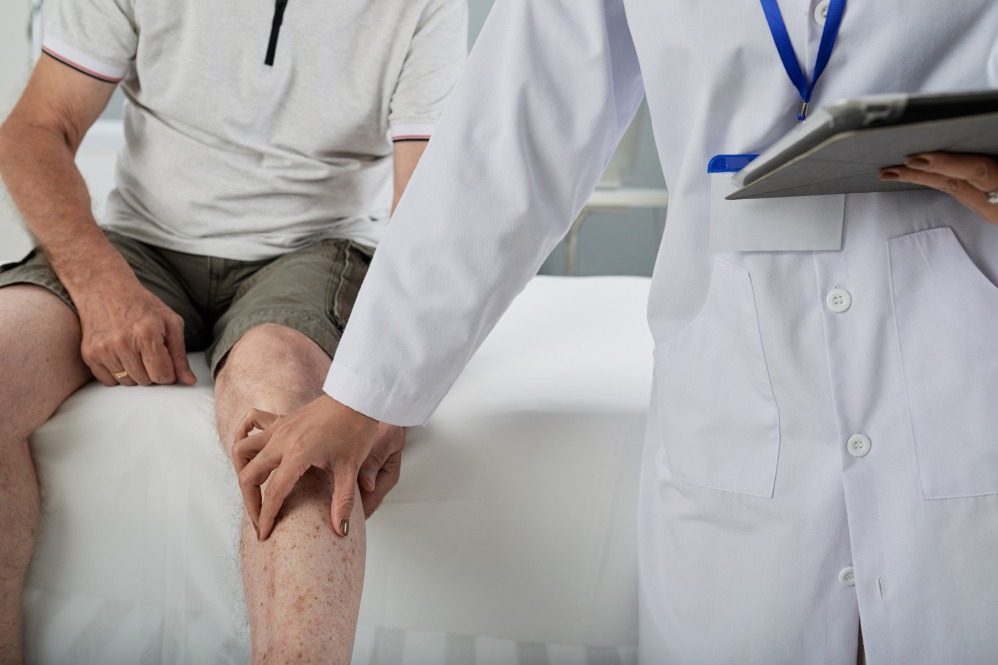
A detailed evaluation typically begins with understanding when the pain started, which movements make it worse, whether an injury occurred, and how symptoms affect everyday activities. The joint's movement, stability, tenderness, swelling, and surrounding muscles may then be examined.
Depending on the findings, X-rays or other investigations may be advised. Not every patient with joint pain requires extensive imaging.
This diagnosis-first approach is important because treatment appropriate for age-related cartilage wear may not be suitable for a ligament injury or inflammatory condition.
What Can Joint Pain Treatment Include?
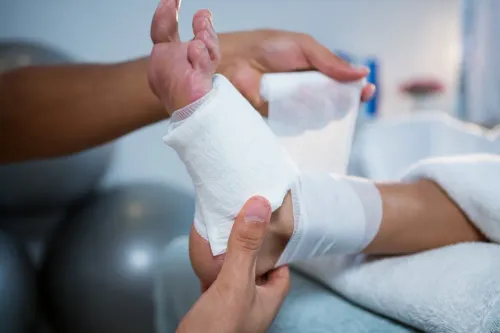
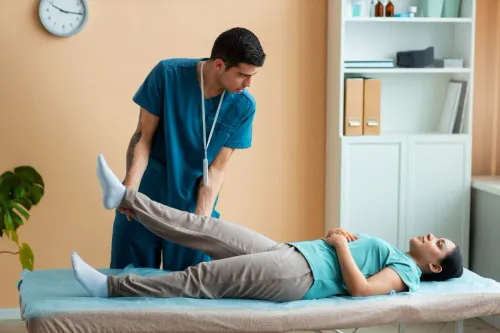
Treatment depends on the diagnosis and severity. Conservative management may involve activity modification, appropriate medication, exercises, physiotherapy, strengthening, mobility work, and guidance on reducing unnecessary stress on the affected joint.
Some patients may benefit from additional procedures or injections when clinically appropriate. Surgery is generally considered according to the structural problem, symptom severity, functional limitation, and response to non-surgical care rather than pain alone.
At Dr DineshRam Orthopedician, evaluation can help patients understand the likely source of their joint symptoms and the treatment options relevant to their condition.
Everyday Joint Care Matters Too
People living in Chennai and other parts of Tamil Nadu often continue working and commuting despite persistent discomfort. Small adjustments can help prevent avoidable aggravation. Maintaining appropriate activity, improving muscle strength, avoiding repeated high-impact stress when painful, and following prescribed rehabilitation can support joint function.
Persistent joint pain should not simply be accepted as an inevitable part of ageing. A clear diagnosis can distinguish temporary strain from a condition that requires structured management and help patients make informed decisions about protecting mobility and everyday independence.