After a fracture or dislocation, patients and families often have to make treatment decisions while dealing with pain and uncertainty. Understanding what good orthopaedic trauma care involves can make those decisions clearer.
When looking for Trauma, Fractures, and Dislocations Treatment in Chennai, the key consideration is whether the injury can be accurately assessed and managed according to its type, location, severity, and effect on surrounding structures.
Not Every Fracture Needs the Same Treatment
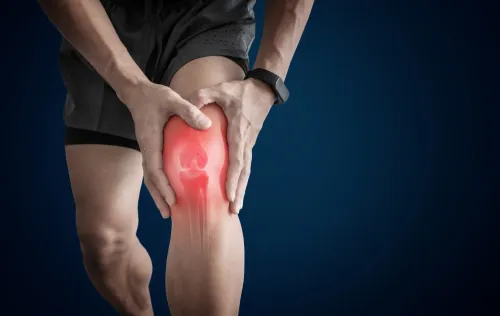
A fracture can differ in several important ways. The bone may remain well aligned or become displaced. The fracture may involve a joint, affect multiple fragments, or be associated with an open wound. In children, the injury may involve a growth plate.
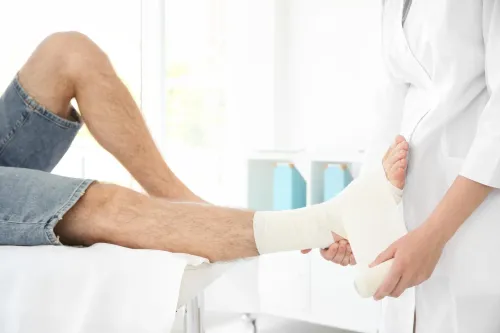
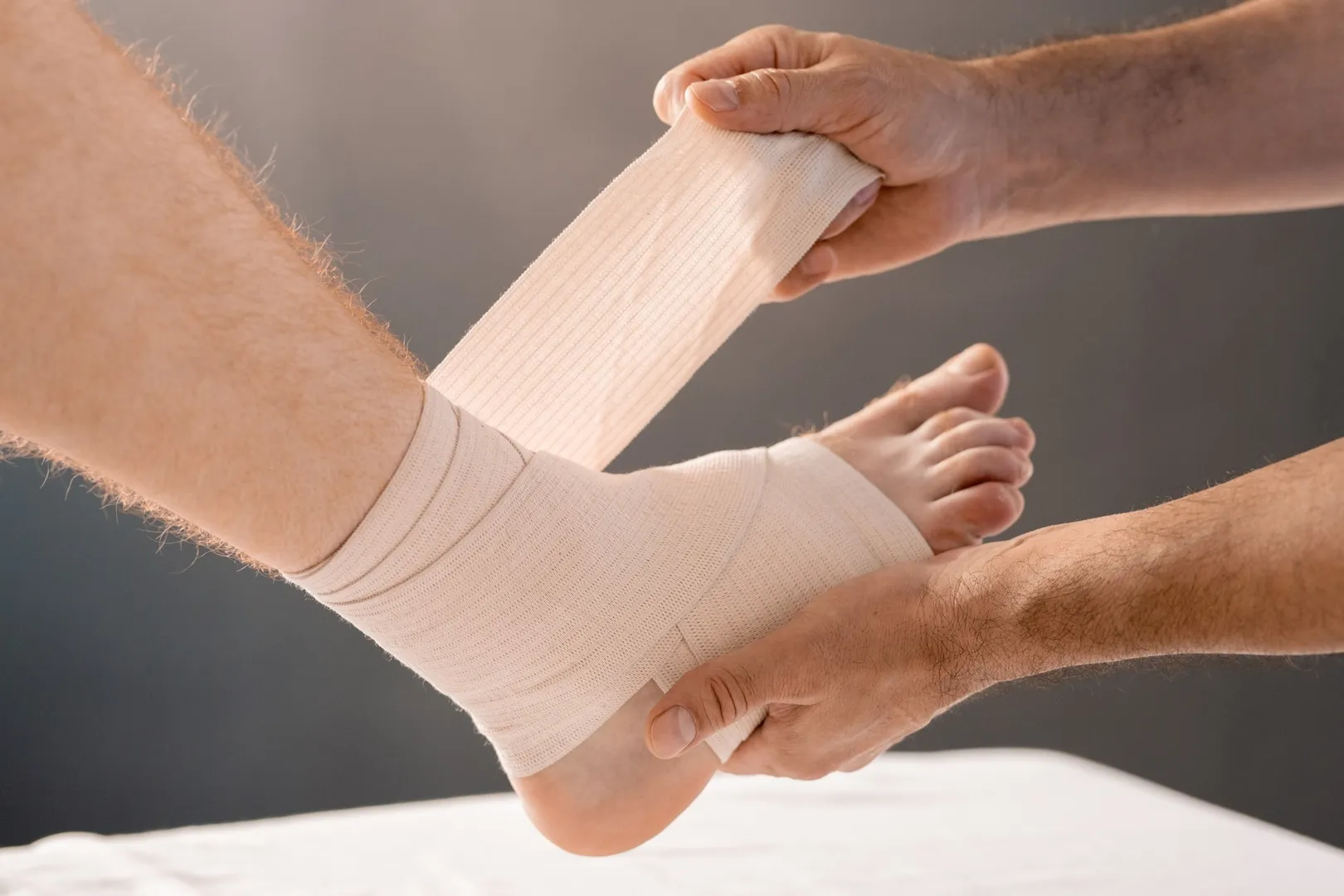
Treatment may therefore range from protection with a splint, cast, or brace to manipulation, reduction, or surgical fixation.
The correct option depends on the individual injury rather than a universal preference for either surgery or non-surgical treatment.
Dislocations Need Careful Assessment Too
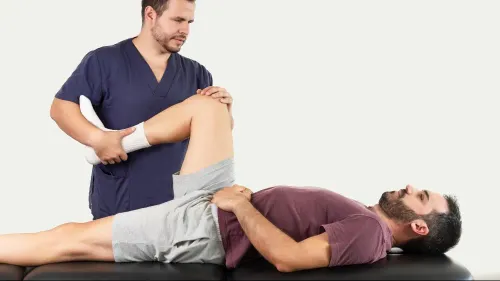
A dislocation occurs when joint surfaces lose their normal alignment. Although restoring alignment is an important part of treatment, evaluation should also consider possible associated fractures and injuries to ligaments, nerves, blood vessels, or other tissues.
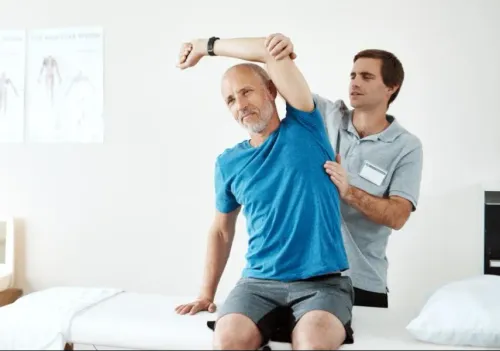
After reduction, some patients require immobilisation followed by rehabilitation to restore movement and stability.
What Should Patients Ask During Consultation?
Useful questions include:
- What exactly has been injured?
- Is the fracture displaced or stable?
- Does the injury involve a joint?
- Is surgery necessary, and why?
- How long will protection or immobilisation be needed?
- When can weight bearing or normal movement begin?
- Will physiotherapy be required?
- What warning symptoms should prompt reassessment?
- When will follow-up imaging be needed?
Clear answers can help patients understand both immediate treatment and the expected recovery process.
Follow Up Is Part of Fracture Care
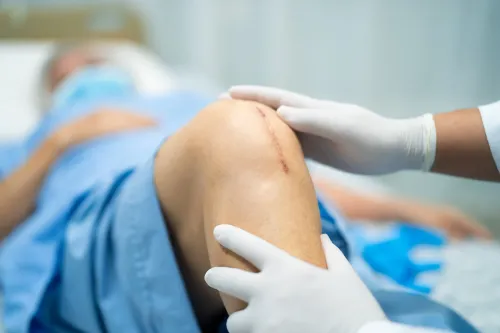
A fracture that has been treated still needs appropriate monitoring. Follow-up may be used to assess alignment, healing, pain, movement, wound condition after surgery, and readiness to progress activity.
At Dr DineshRam Orthopedician, trauma care can include evaluation of fractures and dislocations, selection of appropriate management, follow-up, and rehabilitation planning according to clinical need.
Recovery Should Focus on Function
For patients in Chennai and other areas of Tamil Nadu, returning to work, walking independently, driving, household activities, or sport may be an important part of recovery. These goals should be considered alongside bone and soft-tissue healing.
Patients should also avoid returning to demanding activity simply because pain has reduced. The injured structure may still require protection or progressive rehabilitation.
Choosing orthopaedic trauma care is ultimately about more than treating an X-ray. Proper management considers alignment, stability, associated injuries, healing, movement, strength, and the patient's functional needs. A structured approach from initial assessment through rehabilitation can provide a clearer and safer path back to everyday activity.
Keywords