
Children's bones, joints, and muscles are continually developing. For that reason, an orthopaedic concern in a child cannot always be assessed or managed in exactly the same way as the same problem in an adult.
Paediatric Orthopaedics Treatment in Chennai covers musculoskeletal problems affecting infants, children, and adolescents, including injuries, developmental concerns, limb alignment problems, gait abnormalities, and certain congenital conditions.
Why Children's Orthopaedic Care Is Different
Children have growth plates, which are areas of developing tissue near the ends of certain bones. Because these structures contribute to bone growth, some injuries and abnormalities require specific attention.
The child's age and remaining growth can also influence treatment decisions.
Parents may seek an orthopaedic opinion for concerns such as:
- Persistent limb or joint pain
- Limping
- Difficulty walking or running normally
- Recurrent falls associated with an apparent movement problem
- Visible limb alignment differences
- Sports-related injuries
- Fractures
- Restricted movement
- Differences in limb length
- Developmental hip or foot concerns
- Changes in posture or gait
Not every variation in a growing child represents disease. Assessment helps distinguish normal developmental patterns from conditions that need observation or treatment.
What Does an Evaluation Involve?
A paediatric orthopaedic evaluation can include the child's medical and developmental history, details of symptoms or injury, observation of walking, joint examination, assessment of limb alignment, and evaluation of movement.
Imaging may be recommended when clinically necessary.
At Dr DineshRam Orthopedician, assessment can focus on both the current musculoskeletal problem and the relevance of future growth when determining management.
Treatment Is Based on the Specific Condition
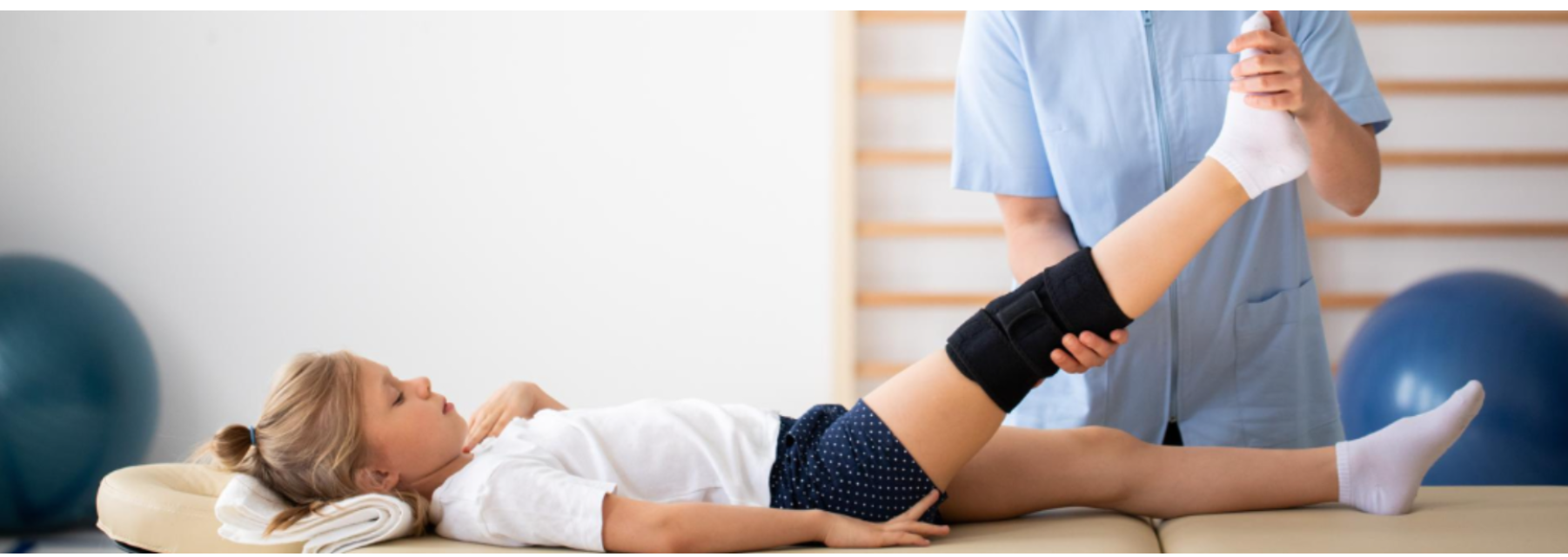
Paediatric orthopaedic care may involve observation, activity modification, physiotherapy, exercises, splints or braces, fracture management, or other interventions depending on the diagnosis.
Surgery is required only for particular conditions where it is clinically indicated.
For example, a minor injury may simply require appropriate protection and gradual return to activity, while a fracture involving a growth plate may need closer monitoring. Similarly, some alignment variations may improve naturally as a child grows, whereas others require follow-up.
Parents Can Help by Watching Function
Families across Chennai and Tamil Nadu often notice changes during ordinary activities before a child describes a problem clearly. Watch how the child walks, runs, climbs stairs, uses the affected limb, and participates in play.
Persistent limping, pain that repeatedly interrupts activities, significant swelling, inability to use a limb following injury, or an obvious deformity should not be ignored.
The aim of paediatric orthopaedic care is not to medicalise every difference in a growing child. It is to identify clinically important problems, protect developing bones and joints, and support safe movement as the child continues to grow.