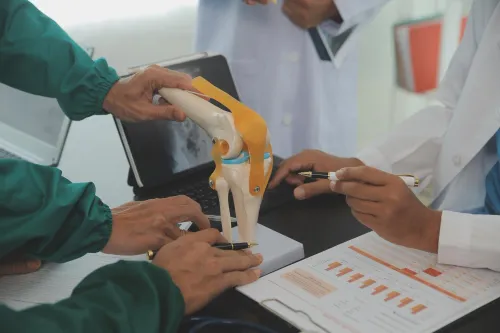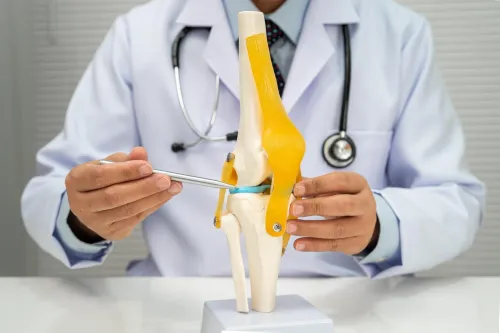

Joint replacement is generally considered when substantial joint damage causes persistent pain and loss of function that has not been adequately controlled through appropriate non-surgical treatment. It is most commonly associated with severely damaged knee or hip joints, although replacement procedures can involve other joints in selected circumstances.
Patients researching Joint Replacement in Chennai often want to know one thing first: how do doctors decide whether an operation is actually necessary?
The answer depends on more than an X-ray.
Why Is Joint Replacement Performed?
A joint may progressively deteriorate because of osteoarthritis, certain inflammatory conditions, previous injuries, or other forms of structural damage. As the joint surface becomes damaged, movement can become painful and restricted.
Symptoms that may lead to a surgical evaluation include:
- Significant pain during walking or routine activities
- Difficulty climbing stairs or standing for longer periods
- Persistent pain despite appropriate conservative treatment
- Marked stiffness and restricted movement
- Reduced independence in daily life
- Advanced structural joint changes
- Difficulty sleeping because of joint discomfort
These findings do not automatically mean that replacement is required. They provide a reason for comprehensive assessment.
What Happens During Joint Replacement?
In a replacement procedure, damaged joint surfaces are surgically treated and replaced with prosthetic components designed to restore a functional articulating surface. The exact surgical technique and implant selection depend on the joint involved, anatomy, underlying disease, and individual clinical requirements.
Before recommending surgery, an orthopaedic surgeon generally considers the patient's symptoms, physical examination, imaging findings, overall health, activity requirements, and previous treatments.
Is Surgery Always the First Choice?
No. Many joint conditions can initially be managed using non-surgical measures.
Depending on the diagnosis, these can include medication, activity modification, weight management where relevant, strengthening exercises, physiotherapy, mobility support, and other clinically appropriate interventions.
Joint replacement becomes a consideration when joint damage and symptoms substantially interfere with everyday life and conservative approaches no longer provide adequate functional relief.
Planning Matters as Much as the Procedure
At Dr DineshRam Orthopedician, patients considering joint replacement can be assessed to understand the severity of joint damage and whether surgical or non-surgical management is appropriate.
Preoperative planning may include reviewing medical conditions, medications, investigations, mobility, and rehabilitation requirements. After surgery, rehabilitation plays an important role in restoring movement, strength, and functional independence.
For patients across Chennai and Tamil Nadu, understanding these stages can make the decision less confusing. Joint replacement should not be viewed simply as a procedure for an abnormal X-ray. It is a treatment decision made after considering pain, structural damage, mobility, quality of life, general health, and the realistic benefits and risks of available options.
Keywords