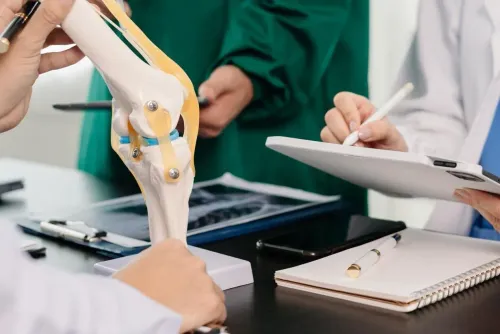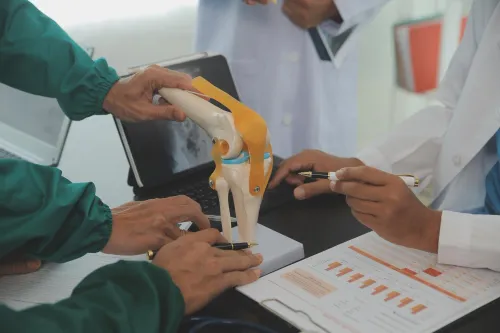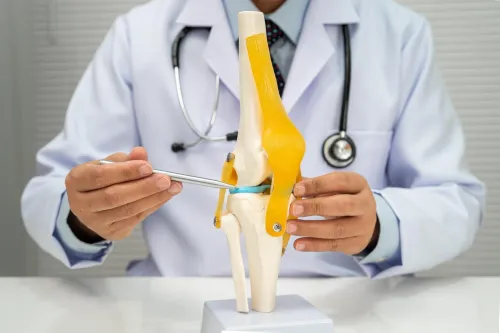
Joint replacement is generally considered when severe joint damage causes ongoing pain, stiffness, and loss of mobility despite appropriate nonsurgical treatment. Patients exploring joint replacement in Chennai often have understandable questions about timing, safety, recovery, and expected results.
The following answers can help patients and families prepare for an informed orthopaedic consultation.
What Is Joint Replacement?
Joint replacement is a surgical procedure in which damaged joint surfaces are removed and replaced with artificial components. Hip and knee replacements are the most common procedures.
The primary goals are to reduce persistent pain, improve joint movement, correct significant deformity, and help the patient return to everyday activities with greater independence.
When Is Joint Replacement Recommended?
Surgery may be discussed when:
- Pain restricts walking, climbing stairs, working, or sleeping
- Medication and physiotherapy no longer provide sufficient relief
- Stiffness or deformity affects normal joint function
- Pain is present even during rest
- Examination and imaging confirm advanced joint damage
An X-ray alone does not decide whether surgery is necessary. The patient’s symptoms, functional limitations, medical condition, age, activity level, and treatment history must also be considered.
Is Surgery the Only Option for Severe Joint Pain?
Not always. Depending on the condition, treatment may include medication, physiotherapy, weight management, strengthening exercises, walking support, activity modification, or injections.
Surgery is usually considered when these measures have been properly attempted but no longer provide meaningful relief. The available alternatives should be discussed before making a final decision.
Is There a Right Age for Joint Replacement?
There is no single ideal age for every patient. Orthopaedic surgeons consider pain severity, joint damage, overall health, mobility needs, bone quality, and readiness for rehabilitation.
A younger patient with severe disability may need surgery, while an older person whose symptoms remain manageable may continue with nonsurgical care.
What Risks Should Patients Understand?
As with any major operation, joint replacement carries possible risks. These can include infection, blood clots, stiffness, implant wear, instability, nerve injury, and persistent pain.
The individual risk depends on factors such as diabetes, heart conditions, body weight, smoking, medication use, and general fitness. Preoperative assessment helps identify and manage these concerns.
What Should Patients Ask the Orthopaedic Doctor?
Useful questions include:
- Which part of my joint is damaged?
- Have all suitable nonsurgical options been considered?
- What improvement can I realistically expect?
- How long may rehabilitation take?
- What help will I need at home?
Dr DineshRam Orthopedician in Chennai assesses patients considering joint replacement in Chennai and nearby areas of Chennai. Bring previous scans, prescriptions, and a list of treatments already tried. Use the consultation to understand every available option before deciding whether surgery is the right next step.
Keywords