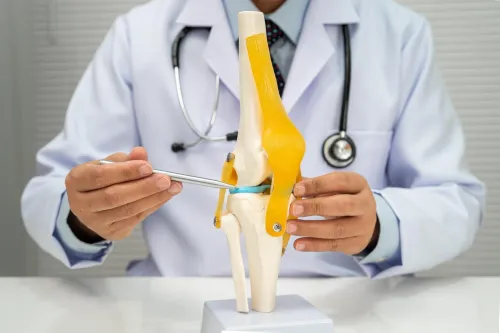

Osteoarthritis develops when tissues within a joint gradually change and deteriorate. It commonly affects the knees, hips, hands, and spine, causing pain, stiffness, swelling, reduced flexibility, and difficulty performing everyday activities.
People seeking osteoarthritis treatment in Chennai may encounter several options, from medication and physiotherapy to injections and joint replacement. The right choice depends on the affected joint, severity of damage, overall health, mobility limitations, and response to previous treatment.
Start With an Accurate Assessment
Joint pain should not be assumed to be osteoarthritis based on age alone. Ligament injuries, inflammatory arthritis, gout, and referred pain can produce similar symptoms.
An orthopaedic assessment may include a review of symptoms, walking pattern, joint alignment, muscle strength, stability, and range of motion. X-rays may be recommended when imaging can confirm structural changes or guide treatment.
Look for a Step-by-Step Treatment Approach
A suitable care plan should reflect the stage of the condition rather than immediately recommending the most advanced procedure.
Early or moderate osteoarthritis may be managed through:
- Activity modification and weight management
- Joint-specific strengthening and mobility exercises
- Physiotherapy and movement correction
- Appropriate pain-relieving medication
- Supportive devices or injections in selected cases
The objective is not simply to suppress pain. Treatment should also protect mobility, improve muscle support, and help the patient continue necessary daily activities.
Evaluate Progress Through Function
Pain scores are useful, but they do not provide the complete picture. A treatment plan is helping when the patient can walk farther, climb stairs more comfortably, sleep better, or return to routine activities.
Progress should be reviewed periodically. If symptoms continue despite consistent treatment, the diagnosis and plan may need reassessment.
Know When Surgery May Be Discussed
Joint replacement may be considered when advanced osteoarthritis causes severe pain, deformity, or substantial loss of mobility and nonsurgical care no longer provides adequate relief.
Surgery should not be selected only because an X-ray shows wear. The decision should also consider the patient’s health, expectations, daily limitations, and readiness for rehabilitation.
Choose Care That Fits Your Routine
A practical plan should account for work, commuting, exercise habits, home responsibilities, and access to follow-up care. Instructions that cannot be followed consistently are unlikely to deliver meaningful improvement.
Dr DineshRam Orthopedician in Chennai evaluates osteoarthritis based on joint condition and functional needs. If stiffness or pain is beginning to limit your routine, arrange a joint assessment and bring previous X-rays, prescriptions, and details of treatments already tried. This allows the consultation to focus on what has helped, what has failed, and which treatment stage is appropriate next.
Keywords