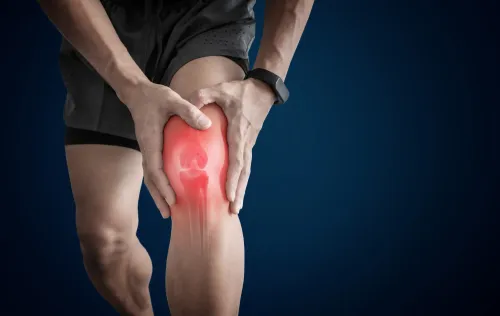
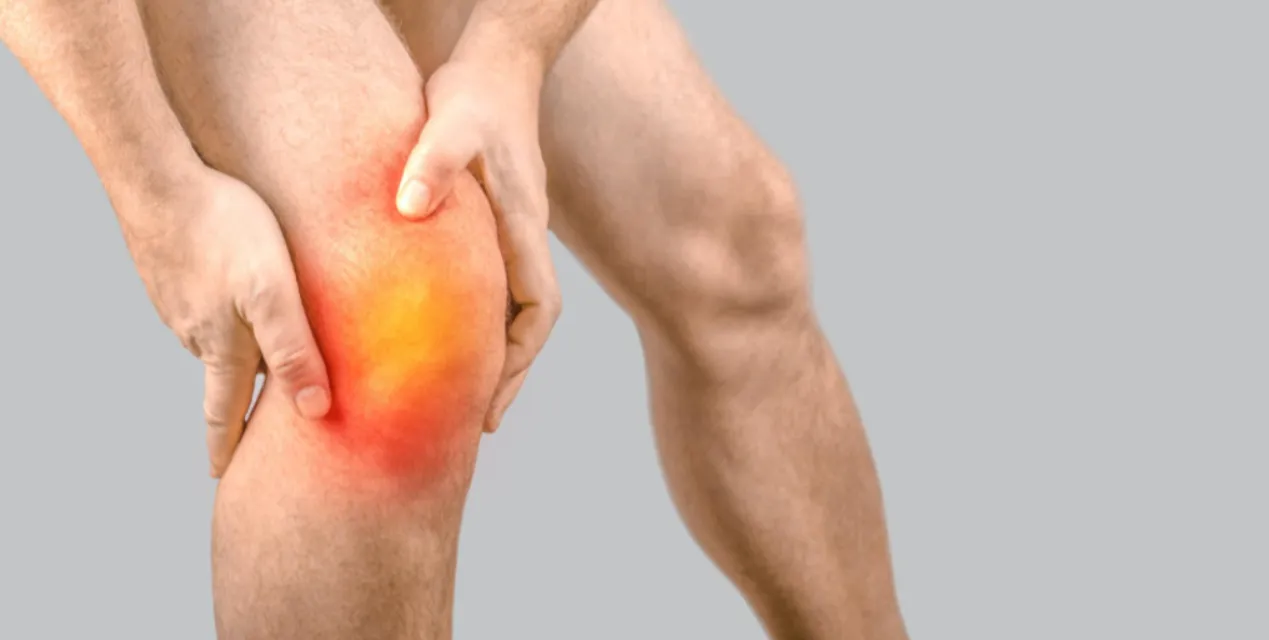
Joint pain may begin as mild discomfort while walking, climbing stairs, lifting objects, or getting out of bed. Although occasional pain can result from temporary strain, recurring symptoms may indicate an underlying problem affecting the cartilage, ligaments, tendons, muscles, or bones.
People looking for joint pain treatment in Chennai commonly experience knee stiffness, shoulder pain, hip discomfort, ankle swelling, or difficulty moving a joint normally. Recognising the warning signs early can help prevent pain from gradually affecting mobility, work, sleep, and everyday independence.
Common Reasons for Joint Pain
Joint pain can develop for several reasons. Age-related cartilage wear is common, but age is not the only factor. Previous injuries, repetitive movements, excess body weight, muscle weakness, arthritis, and unsuitable exercise techniques may also contribute.
For active residents across Chennai, pain may also follow running, cycling, gym workouts, recreational sports, or prolonged travel. Office professionals can experience shoulder, neck, wrist, or lower-back discomfort due to prolonged sitting and poor workstation posture.
Signs That Need Medical Attention
An orthopaedic evaluation should be considered when you notice:
- Pain that continues for several days or returns frequently
- Swelling, warmth, redness, or tenderness around a joint
- Difficulty walking, bending, gripping, or raising an arm
- Joint locking, instability, or painful grinding
- Pain after a fall, sports injury, or road accident
Severe pain, visible deformity, inability to bear weight, or a hot and swollen joint accompanied by fever requires prompt medical attention.
What Does the Evaluation Include?
The doctor will ask when the pain began, which movements worsen it, and whether an injury occurred. Your occupation, activity level, medical history, and previous treatments can provide important diagnostic clues.
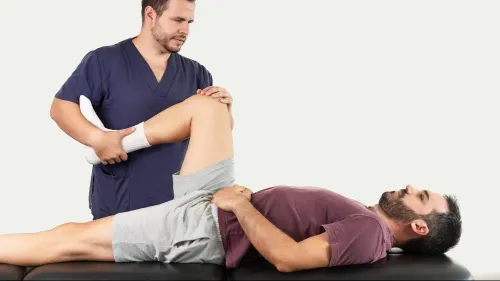
A physical examination may assess swelling, alignment, tenderness, muscle strength, stability, and range of motion. Depending on the findings, an X-ray, blood test, ultrasound, or MRI may be recommended. Not every patient requires advanced imaging.
How Is Joint Pain Treated?
Treatment is selected according to the cause and may include:
- Activity modification and appropriate medication
- Physiotherapy and joint-specific exercises
- Weight management and posture correction
- Braces or other supportive devices
- Injections or surgery in selected cases
Surgery is generally considered only when structural damage is advanced or nonsurgical treatments no longer provide sufficient relief.
Dr DineshRam Orthopedician in Chennai evaluates joint pain by considering the condition, mobility level, lifestyle, and daily requirements of each patient. Before scheduling an assessment, maintain a short record of when the pain occurs, which activities trigger it, and whether swelling or stiffness is present. This information can support a more focused consultation and treatment plan.
Keywords