
Knee pain after walking, shoulder discomfort after computer work, and ankle pain following a twist may all be described as joint pain. However, these problems do not necessarily share the same cause or require the same treatment.
Anyone considering joint pain treatment near Chennai should first observe how the pain started, where it is located, and which movements trigger it. These details can help an orthopaedic doctor distinguish temporary strain from an injury or joint condition requiring focused care.
What Could Be Causing the Pain?
Joint discomfort can arise from osteoarthritis, ligament injuries, tendon irritation, repetitive strain, muscle weakness, or poor movement mechanics. Inflammatory arthritis, gout, infection, and bursitis may also cause pain and swelling.
The pattern of symptoms often provides useful clues:
- Pain after physical activity: May indicate overuse, cartilage wear, or inadequate muscle support.
- Morning stiffness: Brief stiffness can occur with osteoarthritis, while prolonged stiffness may require further evaluation.
- Sudden swelling: Could be related to an injury, inflammation, gout, or infection.
- Painful clicking or grinding: May occur when joint surfaces or surrounding tissues are affected.
- Night pain: Persistent pain that regularly interrupts sleep should not be ignored.
What Can You Do Initially?
For mild pain without a major injury, reduce activities that aggravate the joint. A cold pack may help control recent swelling, while gentle warmth can sometimes ease stiffness. Avoid applying strong heat to a newly injured or visibly swollen area.
Complete bed rest is rarely helpful for ordinary joint stiffness. Gentle movement may prevent further tightness, provided it does not produce sharp pain. Avoid forceful stretching, deep squats, or random online exercise routines until the cause is understood.
Why Should You Avoid Repeated Self-Medication?
Pain medication may temporarily reduce symptoms but cannot correct ligament damage, joint instability, or progressive cartilage wear. Some medicines may also be unsuitable for people with kidney disease, stomach ulcers, high blood pressure, or those taking blood thinners.
Repeated self-medication can delay diagnosis by masking pain while the underlying condition continues.
What Happens During the Consultation?
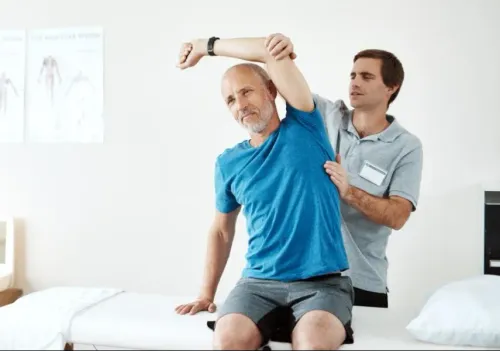
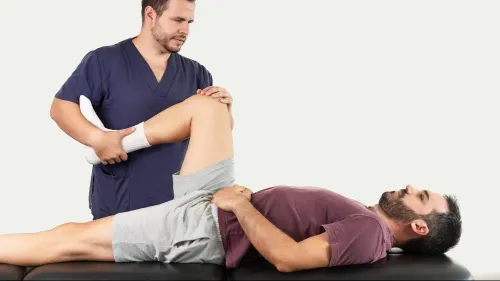
The orthopaedic doctor may examine your posture, walking pattern, muscle strength, joint alignment, stability, and range of motion. Tests are recommended only when required to confirm the diagnosis or assess the extent of damage.
Treatment may involve medication, physiotherapy, exercises, activity changes, supportive devices, or targeted procedures. The plan should match the condition rather than follow a standard approach for every patient.
Residents of Chennai and surrounding Chennai neighbourhoods can consult Dr DineshRam Orthopedician in Chennai when pain persists, returns frequently, or limits normal movement. Write down when the symptoms occur and what improves or worsens them, then use those observations to begin a more informed discussion about joint care.
Keywords