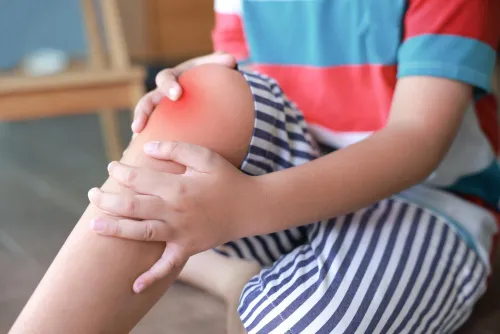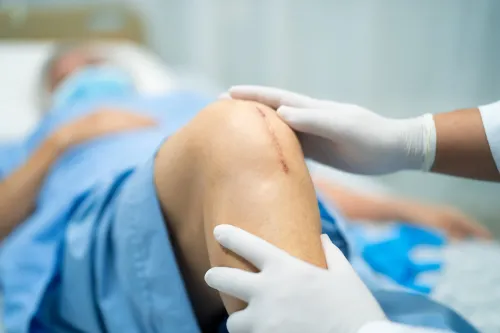
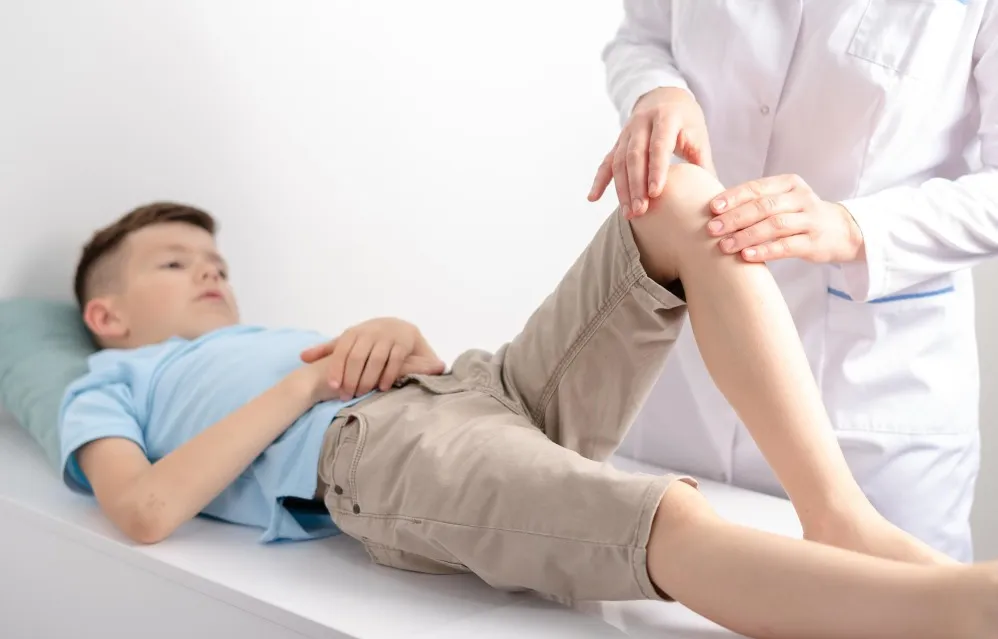
Children frequently experience minor falls, temporary aches, and changes in coordination while growing. Most do not indicate a serious musculoskeletal condition. The challenge for parents is knowing when observation is reasonable and when an orthopaedic evaluation would be appropriate.
Families seeking a Paediatric Orthopaedic Specialist in Chennai commonly have concerns about limping, limb alignment, injuries, persistent pain, or movement that appears different from other children of a similar age.
Signs Worth Discussing With an Orthopaedic Doctor
Consider arranging an evaluation when a child has:
- A persistent or worsening limp
- Pain that repeatedly limits play or sports
- Swelling or reduced joint movement
- Difficulty bearing weight after an injury
- Repeated complaints of pain in the same area
- An obvious change in limb shape after trauma
- Significant differences between the two limbs
- Walking or movement difficulties that persist
- An orthopaedic condition requiring ongoing monitoring
Pain accompanied by major swelling, deformity, or inability to use an injured limb requires more immediate attention.
Growth Changes the Clinical Picture
One reason paediatric orthopaedic evaluation matters is that the musculoskeletal system is still developing.
Growth plates can be affected by certain fractures. Limb alignment also changes naturally at different stages of childhood, meaning that an appearance that concerns a parent may sometimes represent a normal developmental variation.
An assessment helps determine whether the finding is likely to improve naturally, needs periodic monitoring, or requires active treatment.
What Parents Should Bring to the Consultation
A little preparation can make an appointment more informative.
Parents can note when symptoms began, whether there was an injury, what activities worsen the problem, and whether the child has stopped participating in activities they previously enjoyed. Previous X-rays, medical reports, treatment records, and details of earlier injuries can also provide useful context.
For children with an intermittent limp or unusual movement that may not occur during the appointment, a short video recorded at home can sometimes help demonstrate the concern to the treating clinician.
Treatment Should Match the Diagnosis
At Dr DineshRam Orthopedician, children with musculoskeletal concerns can be evaluated according to their symptoms, physical findings, developmental stage, and growth considerations.
Management may range from reassurance and observation to rehabilitation, activity changes, bracing, fracture care, or surgical assessment when necessary.
For parents in Chennai and surrounding areas of Tamil Nadu, the key is not to assume that every childhood ache needs treatment or that persistent symptoms will automatically disappear with growth.
A timely evaluation can clarify the difference. When a musculoskeletal problem is identified early, parents can better understand what should be monitored, what activities are safe, and what treatment may be needed to support the child's mobility and development.
Keywords